

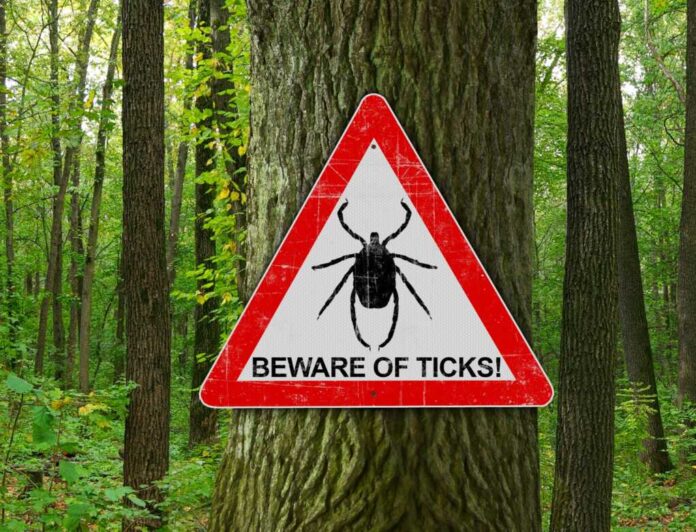
A surge in tick bites is posing a significant threat to public health across the United States, demanding urgent attention and action.
Story Snapshot
- 2025 sees record tick bite incidents in the U.S., raising alarms about tick-borne diseases.
- CDC reports increased emergency visits due to tick bites, highlighting a growing health crisis.
- Prevention strategies are crucial in combating the rising threat posed by ticks.
- Tick activity varies regionally, demanding localized prevention efforts.
Increasing Tick Encounters and Public Health Concerns
The summer of 2025 has brought a troubling rise in tick bites across the United States, with the Centers for Disease Control and Prevention (CDC) reporting a significant increase in emergency department visits. The uptick in tick encounters has sparked concerns over the potential spread of tick-borne diseases such as Lyme disease, anaplasmosis, and other emerging threats. This alarming trend underscores the urgent need for effective prevention strategies and public health interventions to mitigate the risk of infection.
From April to September, tick activity reaches its peak, driven by favorable weather conditions. Warmer winters and increased humidity have expanded tick habitats, leading to greater exposure risk for both humans and pets. The Northeast and Midwest regions are particularly affected, though the threat is spreading to other areas. As tick populations grow, so too does the diversity of pathogens they carry, complicating prevention and management efforts. Public awareness and education are key components in reducing the incidence of tick bites and related diseases.
Understanding the Surge: Factors and Implications
The expansion of tick habitats due to climatic changes and increased human encroachment into natural areas contribute significantly to the surge in tick encounters. Suburban development and outdoor recreation have brought people closer to tick-infested areas, elevating the risk of bites. Furthermore, enhanced surveillance and reporting have improved public awareness of tick-borne diseases, though gaps in prevention persist. The emergence of new tick-borne pathogens, such as alpha-gal syndrome, adds another layer of complexity to the health landscape.
The implications of rising tick encounters are profound. In the short term, healthcare systems face increased demand for services related to tick bites and tick-borne diseases. In the long term, the economic burden from medical care, lost productivity, and prevention efforts is likely to grow. Social behaviors may shift as individuals become more cautious about outdoor activities, and political pressure mounts for improved public health infrastructure and research funding to address the evolving threat.
Prevention and Management: Strategies for Protection
Prevention remains the most effective strategy against tick bites and their associated diseases. Public health campaigns emphasize the importance of wearing protective clothing, using tick repellents, and performing regular tick checks. High-heat laundering of clothing and permethrin-treated attire are proven methods for reducing tick exposure. Furthermore, the CDC’s updated online tools, such as the Tick Bite Bot, assist individuals in assessing risk and making informed decisions about prevention.
Region-specific strategies are crucial, given the variability in tick species and the pathogens they transmit. Resources like the University of Rhode Island TickEncounter Field Guide provide valuable mapping and risk assessment tools tailored to local conditions. By leveraging these resources, individuals can better protect themselves and their pets from tick bites and the diseases they carry. Continued research and public education are essential for adapting prevention efforts to the dynamic threat posed by ticks.
Sources:
CDC. Tick Bite Data Tracker. Ticks. July 11, 2024. Accessed July 2, 2025.
University of Rhode Island TickEncounter Field Guide. Accessed July 2, 2025.