
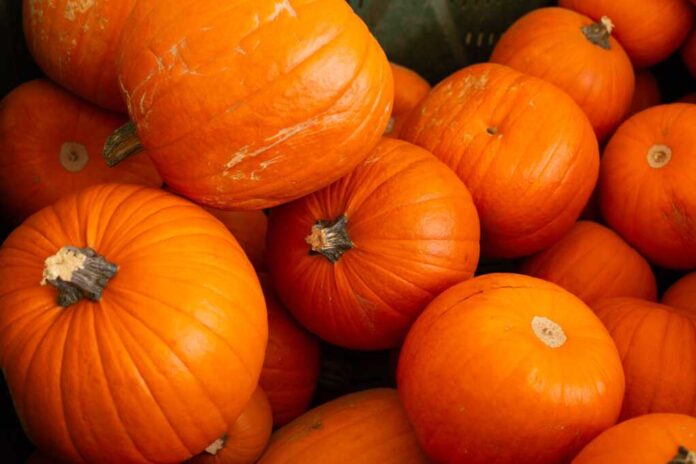
Pumpkin, long hailed as a seasonal delight, may actually be one of the most potent health allies when consumed regularly.
Story Snapshot
- Pumpkin is a nutritional powerhouse rich in beta-carotene, vitamins, and minerals.
- Regular consumption supports vision, immune function, and cardiovascular health.
- Its phytochemicals may reduce inflammation and oxidative stress.
- Potential benefits for metabolic health and cancer risk, though evidence varies.
Vision and Eye Health
Pumpkin’s vibrant orange hue is a testament to its high carotenoid content, particularly beta-carotene. Once ingested, the body converts beta-carotene into vitamin A, an essential nutrient for maintaining normal vision. The presence of lutein and zeaxanthin further enhances eye health, potentially reducing the risk of age-related macular degeneration and cataracts. While studies often generalize these benefits from broader carotenoid research, pumpkin remains a key dietary component for eye support.
Vitamin A’s role extends beyond vision, influencing skin and immune health by regulating white blood cells and maintaining epithelial integrity. The inclusion of vitamin C amplifies these effects, acting as an antioxidant that supports immune cell function. Together, these nutrients fortify the body’s defenses against infections and environmental damage, illustrating pumpkin’s comprehensive health benefits.
Watch:
Cardiovascular Health
Potassium, magnesium, and fiber in pumpkin contribute significantly to cardiovascular health. Potassium regulates fluid balance, counteracting sodium’s hypertensive effects. Magnesium aids vascular tone, while fiber lowers LDL cholesterol levels. Animal studies also suggest that pumpkin seeds and seed oil improve lipid profiles, increasing HDL while decreasing LDL. Although these findings stem primarily from animal data, they highlight pumpkin’s potential in supporting heart health and reducing atherogenic risk.
The antioxidants in pumpkin may further protect against cardiovascular disease by reducing oxidative stress. While specific outcome trials are limited, the nutrient-rich profile of pumpkin remains indisputable, offering a natural means to bolster heart health.
Got a health question? Ask our AI doctor instantly, it’s free.
Metabolic and Liver Health
Pumpkin’s fiber content plays a critical role in metabolic health by slowing digestion and reducing postprandial glucose spikes. Animal studies suggest that pumpkin polysaccharides enhance insulin production and protect pancreatic cells, offering a glimpse into its potential antidiabetic properties. However, while pumpkin aids in blood sugar stabilization, it should not replace diabetes medications, as much of the evidence still resides in preclinical research.
Additionally, pumpkin components have shown hepatoprotective effects in animal studies, lowering liver enzymes and supporting antioxidant pathways. Although human trials are scarce, the antioxidative properties of pumpkin contribute positively to liver health within a balanced diet.
Smart health starts here, try My Healthy Doc today.
Prostate and Brain Health
The benefits of pumpkin seed oil extend to prostate health, with early-stage clinical data suggesting improvements in urinary symptoms and prostate disease. Regular consumption may support prostate health, but further research is necessary to substantiate these claims for routine dietary use.
Antioxidants in pumpkin may protect brain cells from oxidative damage, a factor in depression and cognitive decline. While robust human data is lacking, pumpkin seeds’ tryptophan content could potentially aid sleep and mood by serving as a precursor to serotonin and melatonin.
Cancer Risk and Systemic Inflammation
Pumpkin’s rich array of antioxidants, including beta-carotene, vitamins A, C, E, and selenium, positions it as a potential ally in cancer prevention. In vitro studies reveal inhibitory effects on prostate cancer, although these findings require caution when translated to human dietary practices.
Regular pumpkin consumption likely reduces systemic oxidative stress and inflammation, both linked to chronic diseases such as cardiovascular disease, diabetes, and cancer. While pumpkin alone is not a panacea, it is a valuable addition to a varied, nutrient-rich diet.
Start your health journey in under a minute.
Sources:
Source 1
Source 2
Source 3
Source 4
Source 5
Source 6
Source 7
Source 8