
Bloating, an age-old digestive complaint, has taken the spotlight on social media, prompting a closer look at its prevalence, causes, and the digital culture amplifying it.
Story Snapshot
- Bloating has become a viral topic on Instagram and TikTok.
- Women are twice as likely as men to experience bloating.
- Social media trends can lead to misinformation about health issues.
- Medical professionals emphasize lifestyle changes over unproven remedies.
The Rise of Bloating as a Social Media Sensation
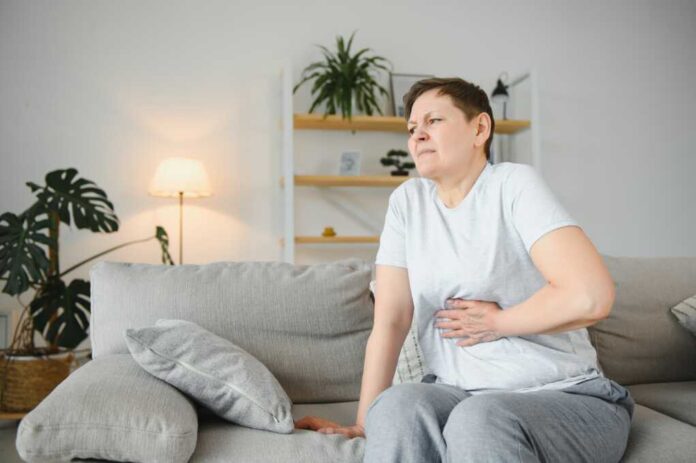
Bloating, once confined to private discussions within medical circles, has exploded into the public sphere thanks to platforms like Instagram and TikTok. This shift began around 2015 with the rise of wellness influencers and has since skyrocketed, particularly during the COVID-19 pandemic when people turned to online communities for health advice. The symptom, characterized by abdominal discomfort and gas, is now a trending topic, with users sharing personal stories and remedies, often without medical backing.
Women are at the forefront of this conversation, as they are approximately twice as likely to report bloating compared to men. This gender disparity highlights a broader trend where women’s health issues often find a more significant platform on social media, leading to increased awareness but also potential for misinformation. The surge in content underscores the intersection of digital culture and medical science, raising questions about how these discussions shape public health perceptions and behaviors.
Implications of Viral Health Trends
The broad reach of social media has democratized health information, allowing individuals to share and access advice more readily than ever before. However, this accessibility comes with a caveat: the potential for misinformation. While some content is evidence-based, much of it consists of anecdotal advice lacking scientific support. This has led to a proliferation of unproven remedies, from detox teas to dietary supplements, often marketed by influencers rather than medical professionals.
Medical experts caution against following trends without consulting healthcare providers, emphasizing that bloating is often benign and best managed with lifestyle modifications. Despite this, the tension between anecdotal online advice and evidence-based medicine continues, with influencers often having more visibility than qualified professionals.
The Role of Influencers and Health Brands
Influencers play a significant role in shaping the narrative around bloating. They share personal experiences, promote products, and engage with followers, often blurring the lines between genuine advice and marketing. Health and wellness brands capitalize on these trends, offering solutions that promise quick fixes but may lack scientific validation. This dynamic creates a complex ecosystem where profit motives can overshadow the need for accurate health information.
For the general public, particularly women who are disproportionately affected by bloating, this can lead to confusion and misguided self-treatment. The digital age has made it easier for people to discuss and normalize digestive health issues, but it also brings the risk of overmedicalization and commercial exploitation if not carefully navigated.
The Future of Digestive Health Discourse
Looking ahead, the ongoing dialogue around bloating on social media platforms is likely to continue evolving. Medical professionals and organizations are increasingly engaging in these spaces to provide evidence-based information and counteract misinformation. Collaborative efforts between healthcare experts and social media platforms could improve the quality of online health discussions, ensuring that accurate information reaches those who need it.
As the conversation progresses, it is crucial to balance the benefits of increased awareness with the potential pitfalls of misinformation. By fostering a more informed public discourse, we can empower individuals to make better health decisions and reduce the stigma associated with digestive symptoms.
Sources:
Rome Foundation Global Epidemiology Study, Gastroenterology, 2023
Journal of Neurogastroenterology and Motility, 2016