

What if the weeds in your backyard are the key to health and self-sufficiency?
Story Overview
- Backyard weeds have untapped nutritional and medicinal value.
- The COVID-19 pandemic sparked renewed interest in natural remedies.
- Reconsidering lawn care could benefit health and the environment.
- Common weeds offer practical, evidence-based uses.
Rethinking Weeds: Nature’s Hidden Treasures
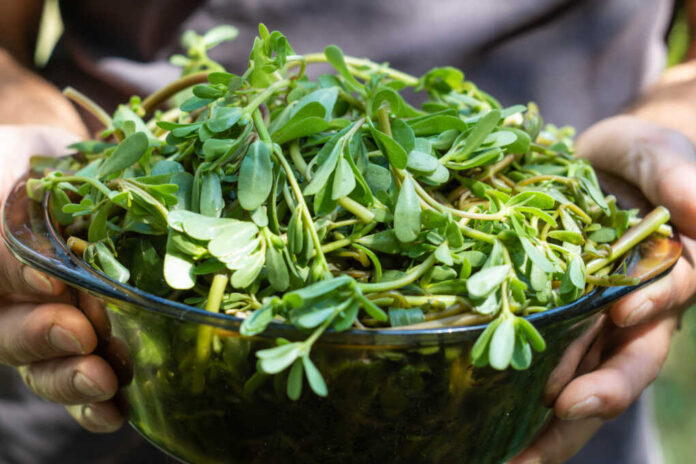
In the pursuit of the perfect lawn, many homeowners eradicate common “weeds” unaware of their potential benefits. Dandelion, plantain, and purslane—often viewed as nuisances—are nutritional powerhouses and have been used in traditional medicine for centuries. These plants are not only edible but offer health benefits ranging from anti-inflammatory properties to rich vitamin content. Recognizing the value of these plants can transform how we view our backyards.
The trend of utilizing backyard plants for health and nutrition has grown over the past decade, gaining particular momentum during the COVID-19 pandemic. As people sought self-sufficiency, the idea of harvesting natural remedies from your own backyard became increasingly appealing. This movement is about more than just finding alternative remedies; it’s about embracing a more sustainable and self-reliant lifestyle.
The Science Behind Common Backyard Plants
Scientific research supports the traditional uses of many common backyard weeds. Dandelions, for instance, are praised for their anti-inflammatory and antioxidant properties. Studies have validated their potential in supporting liver health and boosting the immune system. Similarly, purslane is recognized for its high omega-3 content, making it a valuable addition to a heart-healthy diet. These findings reinforce the idea that our backyards are more than just decorative spaces—they’re potential pharmacies.
However, the key to safely using these plants lies in proper identification and preparation. Not all backyard plants are safe, especially those that may have been treated with herbicides. It’s crucial to educate oneself on the correct identification and use of these plants to fully benefit from their properties without risking health.
Implications for Health, Environment, and Economy
The implications of this movement extend beyond personal health. Reducing chemical use in lawn care promotes biodiversity and lessens environmental impact. By embracing natural landscaping, homeowners can contribute to a healthier planet. Economically, the shift to natural lawn care could reduce costs associated with herbicides and fertilizers, and even decrease healthcare expenses by reducing reliance on pharmaceuticals.
This approach also revives traditional knowledge and practices, fostering a sense of community and connection to nature. Workshops and online courses on foraging and herbal medicine are becoming more popular, further integrating these practices into mainstream culture. As more people adopt this mindset, the potential for regulatory changes and increased market demand for herbal products grows.
Navigating the Future: Embracing Natural Resources
For those ready to explore the potential of backyard plants, resources are abundant. Gardening experts and herbalists are increasingly sharing knowledge on how to safely identify and use these plants. Publications and workshops provide guidance on integrating these practices into everyday life, emphasizing a balance between aesthetics and practicality. By embracing these resources, homeowners can transform their backyards into spaces that support both personal and planetary health.
The journey to rediscovering the benefits of backyard plants is not just about health—it’s about redefining our relationship with the natural world. As we learn to value and utilize these hidden treasures, we open the door to more sustainable and health-conscious living.
Sources: