

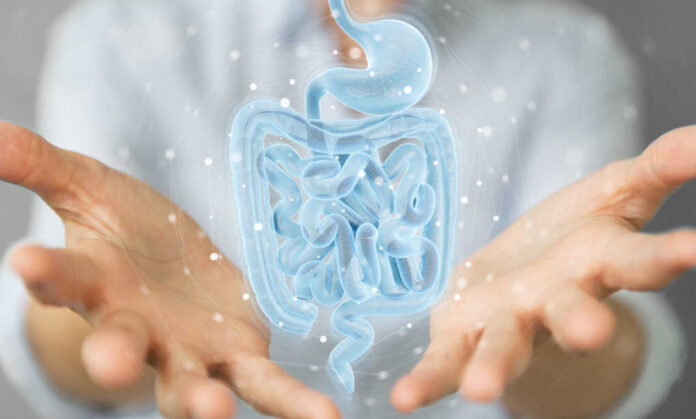
Did you know that your gut might be the secret guardian of your mental health?
Story Snapshot
- The gut microbiome is essential for more than just digestion, playing a crucial role in immunity and mental health.
- Recent studies highlight the gut-brain axis and how gut health impacts mood and cognition.
- Ongoing research aims to use microbiome-targeted therapies for various disorders.
- Understanding gut health could revolutionize approaches to disease prevention and treatment.
The Microbiome: More Than Just Digestion
Recent scientific revelations have transformed our understanding of the gut, expanding its role from mere digestion to being a central player in systemic health. The gut microbiome, composed of trillions of microorganisms, is now recognized for its critical involvement in immune function, inflammation regulation, and even mental health. This shift in perception is largely due to the discovery of the gut-brain axis, a communication network that links our gut and brain, influencing mood and cognition.
Early research in the 2000s began linking gut bacteria to immune modulation, setting the stage for deeper investigations. By the 2010s, scientists had unraveled mechanisms of the gut-brain axis, illustrating how gut dysbiosis, or microbial imbalance, could affect systemic health. Today, large-scale studies confirm the microbiome’s pivotal role in chronic diseases, mental health, and inflammation, with ongoing research exploring therapeutic interventions targeting the microbiome.
Historical Context and Breakthroughs
The concept of gut health isn’t new, but its implications for broader health issues have only emerged in the last two decades. Advances in sequencing technologies have allowed detailed mapping of gut microbial communities and their metabolites, leading to groundbreaking discoveries. Key findings include the identification of microbial metabolites, such as short-chain fatty acids, that regulate immune cells and the bidirectional communication between the gut and the central nervous system, known as the gut-brain axis.
With the rising prevalence of chronic inflammatory and mental health disorders, there’s a growing interest in personalized nutrition and probiotic therapies. Previous precedents, like the successful use of fecal microbiota transplantation to treat recurrent Clostridioides difficile infections, highlight the potential of microbiome-focused interventions.
Key Stakeholders and Their Roles
Academic researchers, medical institutions, biotechnology companies, and regulatory agencies are at the forefront of this paradigm shift. Researchers aim to advance scientific understanding and develop new therapies, while medical institutions work to translate these findings into clinical practice. The biotechnology and pharmaceutical industries are keen to commercialize microbiome-based diagnostics and treatments, with regulatory agencies ensuring their safety and efficacy.
Patients and advocacy groups for autoimmune, inflammatory, and mental health conditions also play a significant role, driving research priorities and influencing clinical adoption. Academic-industry collaborations are crucial for innovation, while regulatory oversight shapes clinical practices. Leading scientists, institutional review boards, and funding agencies are key decision-makers in this evolving field.
Current Developments and Future Directions
Recent research has identified specific microbial metabolites that modulate immune responses and inflammation. Clinical trials are underway to test probiotics, prebiotics, and dietary interventions for immune and mental health outcomes. Ongoing studies aim to establish microbiome-based biomarkers for disease risk and progression, with a strong focus on translational research for personalized interventions.
As we move towards 2025, expect a flurry of publications elucidating the complex interactions between diet, gut microbes, and immune regulation. The evidence supporting the gut microbiome’s role in immune-mediated inflammatory diseases, liver disease, and neuropsychiatric conditions continues to strengthen, promising a shift towards preventive and personalized medicine. The potential reduction in chronic disease burden and improved understanding of disease mechanisms are among the anticipated long-term benefits.
Sources:
Frontiers in Microbiology (2016)
Frontiers in Immunology (2025)
Harvard Medical School News (2024)