
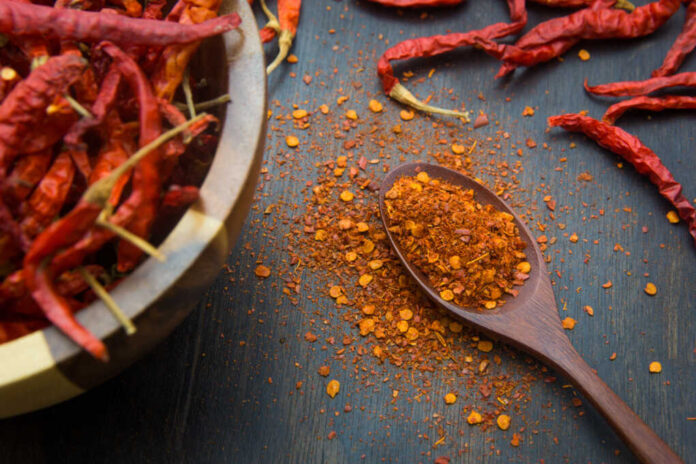
The allure of “natural” skincare remedies is leading many down a perilous path, where raw garlic and cayenne pepper promise beauty but deliver burns instead.
Story Overview
- Social media accelerates the spread of DIY skincare trends.
- Dermatologists warn against the risks of using raw ingredients.
- Case studies reveal severe skin reactions from these practices.
- There is a growing conflict between viral trends and medical advice.
The Rise of DIY Skincare
The COVID-19 pandemic fueled a surge in DIY skincare as lockdowns limited access to professional treatments. Social media platforms, especially TikTok and Instagram, became hotbeds for “natural” beauty hacks. Influencers with little to no dermatological expertise have driven these trends, often showcasing household ingredients like garlic and cayenne pepper as miracle solutions. This rise reflects a broader skepticism of synthetic chemicals and a desire for “clean beauty.”
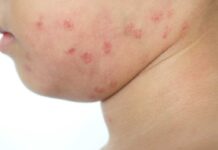
Despite the appeal, dermatologists report an alarming increase in skin injuries linked to DIY skincare. Burns, rashes, and long-term damage are just a few of the potential consequences. The misconception that “natural” equals “safe” is a dangerous myth that has led many to experiment with potent ingredients without understanding their risks.
Expert Warnings and Real-World Cases
Medical professionals are sounding the alarm about the dangers of using raw ingredients on the skin. Dermatologists highlight numerous cases where individuals have suffered severe skin reactions, including chemical burns from garlic and allergic reactions from cayenne pepper. These expert warnings contrast sharply with the unregulated advice found online, where viral trends often prioritize engagement over safety.
In one notable case, a woman suffered second-degree burns after applying garlic to her skin in an attempt to treat acne. Such incidents underscore the disconnect between online beauty advice and scientific evidence. Dermatologists emphasize that while some natural ingredients can be beneficial, their concentration, preparation, and application method are critical factors.
The Role of Social Media and Influencers
Social media has played a pivotal role in the spread of these dangerous trends. Influencers, driven by engagement metrics, frequently share skincare hacks that go viral without proper vetting or scientific backing. The rapid spread of misinformation outpaces the efforts of medical professionals to correct it, creating an environment where anecdotal success stories overshadow scientific facts.
Some platforms are beginning to recognize the issue, with certain videos being flagged or removed for promoting unsafe practices. However, the tension between viral content and expert advice persists, as the allure of DIY solutions continues to captivate audiences seeking quick and affordable beauty fixes.
Potential Solutions and Moving Forward
The ongoing struggle between DIY skincare trends and medical advice highlights a need for better regulation and education. Regulatory agencies like the FDA have limited jurisdiction over homemade products, but there is a growing call for stricter oversight of online health content. Public education campaigns could also help bridge the gap, promoting evidence-based skincare practices over unverified hacks.
As the beauty industry responds to these challenges, there is an increased demand for products that balance natural ingredients with scientific rigor. Brands that emphasize safety and efficacy may find success in a market increasingly wary of unproven remedies. The rise of “dermfluencers” — dermatologists who use social media to debunk myths and promote safe practices — also offers a promising avenue for informed skincare advice.
Sources: