

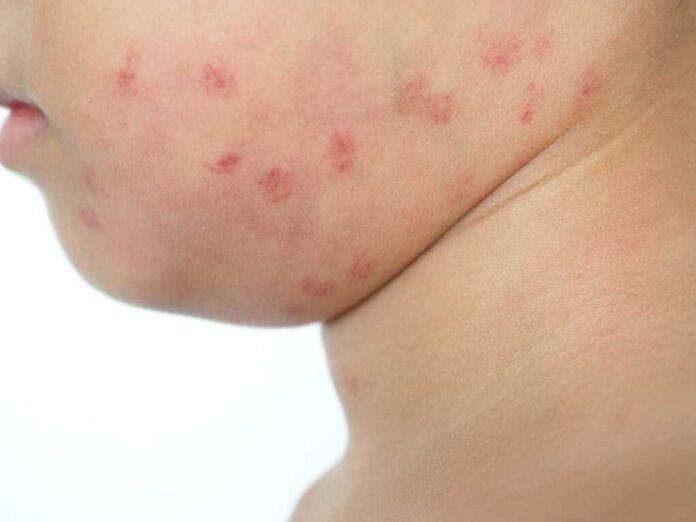
The real story of your skin barrier is not about beauty—it’s about how a microscopic fortress stands between you and a world of inflammation, disease, and discomfort.
Story Highlights
- The skin barrier is vital for health far beyond cosmetic appearance, acting as the body’s first defense against environmental and internal threats.
- Signs of damage include dryness, redness, sensitivity, and unexpected flare-ups that signal deeper biological trouble.
- Modern skincare trends and environmental stressors are driving an epidemic of barrier dysfunction—and the market’s response is rewriting the rules of skin health.
- Dermatologists now advocate for minimalist routines, gentle products, and science-backed ingredients to restore and protect the skin’s complex shield.
The Skin Barrier: More Than Skin Deep
Dermatologists describe the skin barrier as a living wall—constructed from layers of corneocytes and fortified by a matrix of lipids. This barrier is not simply a passive film; it is a responsive, self-healing organ that maintains hydration, repels pathogens, and regulates immune signals. When the barrier fails, the consequences go well beyond dry or flaky skin. Chronic inflammation, eczema, and even systemic disease can follow, making barrier health a public health concern. Recent research links barrier dysfunction to increased risk of allergies, infections, and lifelong sensitivity.
The rise in skin barrier awareness did not happen overnight. The last decade saw dermatologists shift focus from treating symptoms—like redness or itch—to investigating the root cause: barrier breakdown. Epidemiological studies revealed a surge in conditions like eczema and rosacea, often triggered by environmental pollution, harsh cleansers, and aggressive “active” skincare routines. The consumer backlash against irritation fueled an industry-wide pivot to barrier-repair products, with brands racing to launch ceramide-rich moisturizers and microbiome-friendly formulas. As a result, “barrier health” has become both a clinical priority and a consumer trend.
How Damage Happens—and Why It Matters
Common daily habits can quietly sabotage the skin’s fortress. Over-exfoliation strips away protective lipids, leaving skin vulnerable to external insults. Harsh soaps and cleansers disrupt the acid mantle, a thin acidic layer that keeps bacteria at bay. Unprotected sun exposure and pollution break down cellular defenses, while poor diet and chronic stress slow the skin’s natural repair mechanisms. Genetics and aging add further complexity, with some individuals predisposed to thinner, more fragile barriers. Dermatologists stress that recognizing the signs—dryness, tightness, redness, burning, and delayed healing—is critical for early intervention and lasting recovery.
Industry experts highlight the central role of ceramides, fatty acids, and the skin’s microbiome in barrier maintenance. Dr. Kseniya Kobets and Dr. Naana Boakye point to emerging evidence: ceramide-rich moisturizers and gentle, fragrance-free cleansers consistently outperform trendy “active” ingredients when it comes to healing and resilience. The acid mantle and the balance of beneficial microbes—supported by prebiotics and probiotics—are now recognized as essential targets for both prevention and repair. Dr. Hadley King warns that unchecked barrier damage can escalate into systemic inflammation and chronic disease, underscoring the need for holistic care.
Repair Strategies: What Actually Works
Experts agree on a straightforward protocol for barrier recovery. First, eliminate triggers: stop over-exfoliating, avoid harsh products, and protect against UV rays with daily sunscreen. Second, rebuild with gentle, hydrating products—look for ceramides, hyaluronic acid, and omega-rich oils. Fragrance, alcohol, and strong actives should be avoided during the healing phase. Third, nourish from within: a balanced diet rich in omega-3s and antioxidants, adequate hydration, and stress management accelerate repair. Supporting the skin’s microbiome through topical prebiotics and probiotics offers additional benefits, especially for those with recurrent flare-ups.
Consumer demand for barrier-repair solutions is reshaping the skincare landscape. Brands like CeraVe and La Roche-Posay dominate the market with science-backed, minimalist formulations. Dermatologists increasingly recommend “skin cycling”—alternating days of actives and rest—to reduce cumulative irritation. The consensus is clear: gentle routines and consistent care trump aggressive treatment. For persistent or severe symptoms, professional consultation ensures targeted therapy and prevents long-term complications. The endgame is not just smoother skin, but systemic health and resilience.
Sources:
Dermatica – What Does a Damaged Skin Barrier Look and Feel Like?
US Dermatology Partners – Damaged Skin Barrier Signs
WebMD – Skin Barrier: What to Know